Los Alerces National Park
A UNESCO World Heritage park of glacial lakes and ancient alerce forest

Beyond the Water
Forests of the Ancient Alerce
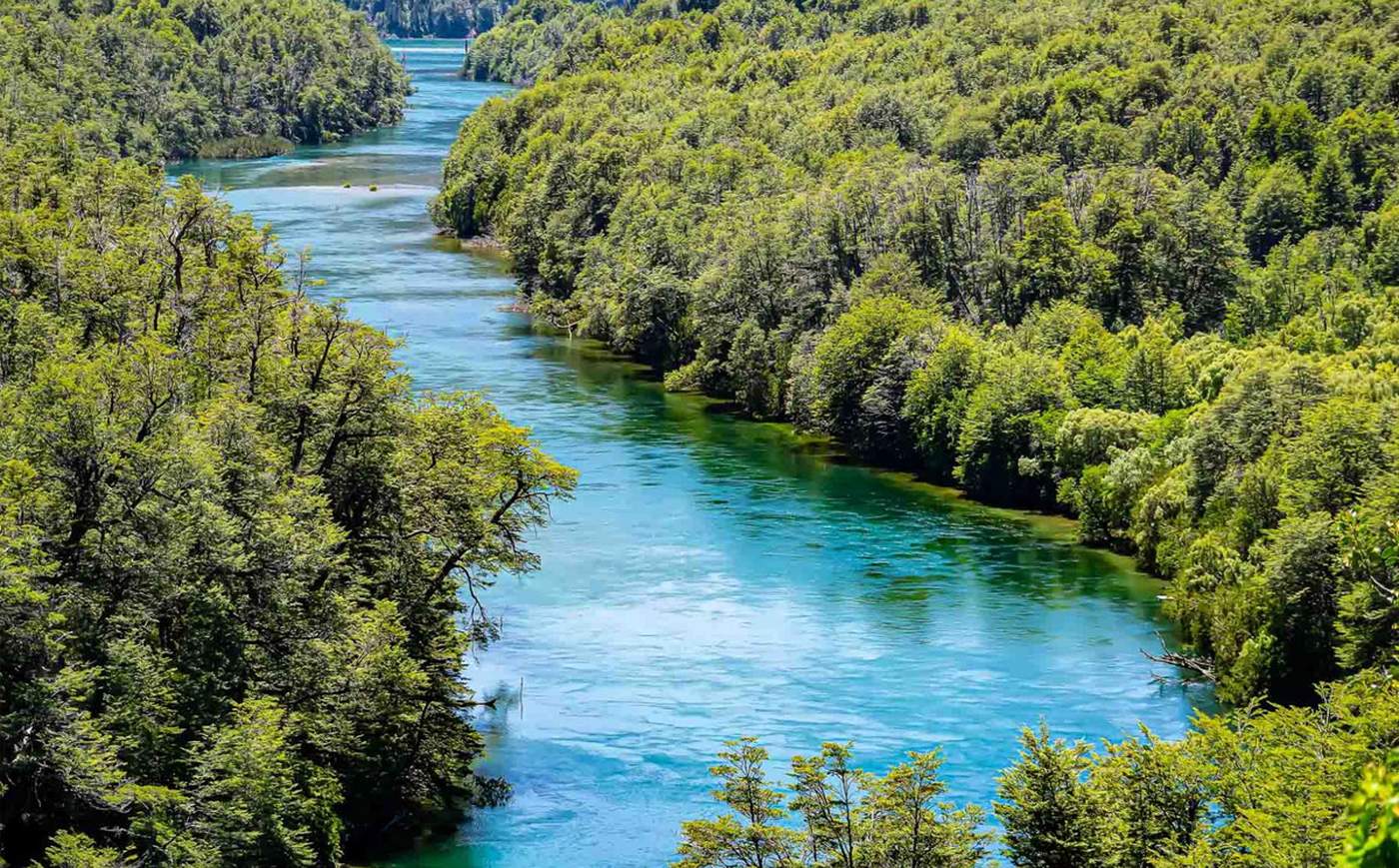
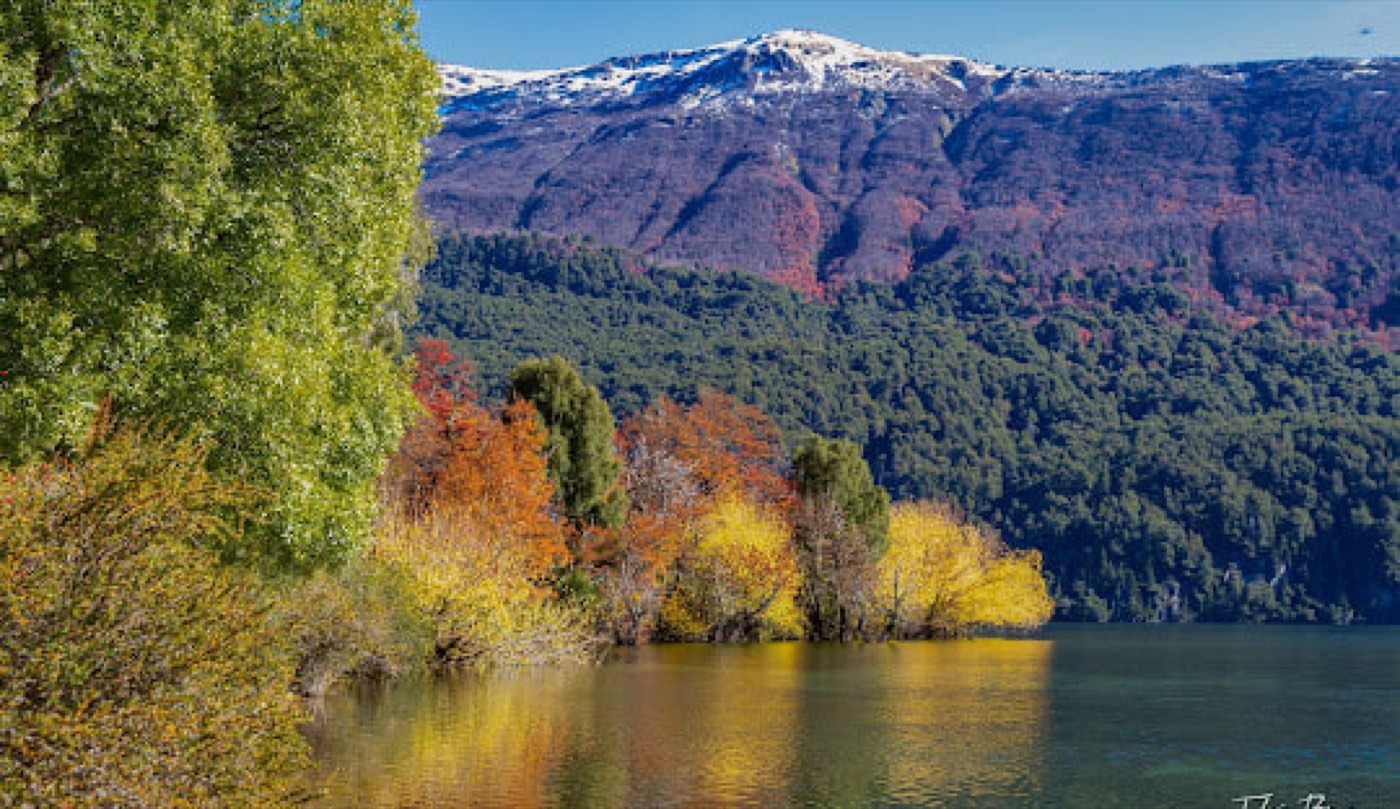
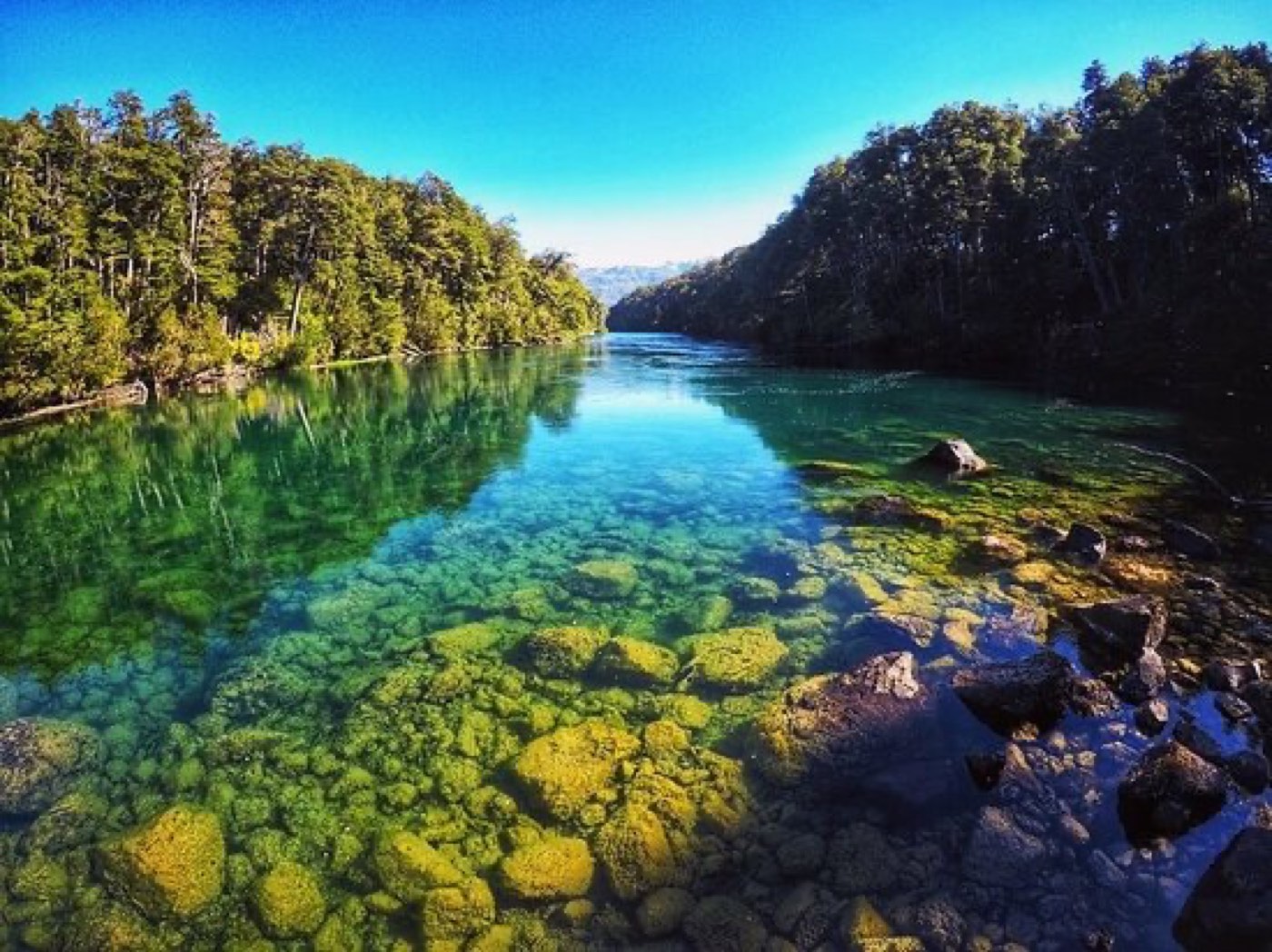
Parque Nacional Los Alerces protects Argentina's largest expanse of Valdivian rainforest, alerce trees that have been growing for thousands of years, and a chain of glacier-carved lakes and rivers whose water shifts from deep blue to turquoise.
The park was first protected in 1937 and today covers about 260,000 hectares of the Andes west of Esquel. In 2017 UNESCO added it to the World Heritage list, both for its glacier-carved landscape of interconnected lakes and rivers and for its nearly untouched Patagonian forest and the ancient alerce stands it shelters.
The alerce (Fitzroya cupressoides, lahuán to the Mapuche) is a giant conifer of the cypress family, a relative of the redwoods rather than one of them. It grows astonishingly slowly, its trunk widening by a millimeter or two a year, and the species can live more than 3,600 years; its scientific name honors Robert FitzRoy, captain of HMS Beagle. The park's most famous tree, known as El Abuelo ("the Grandfather"), is estimated at about 2,600 years old and stands nearly 60 meters tall.
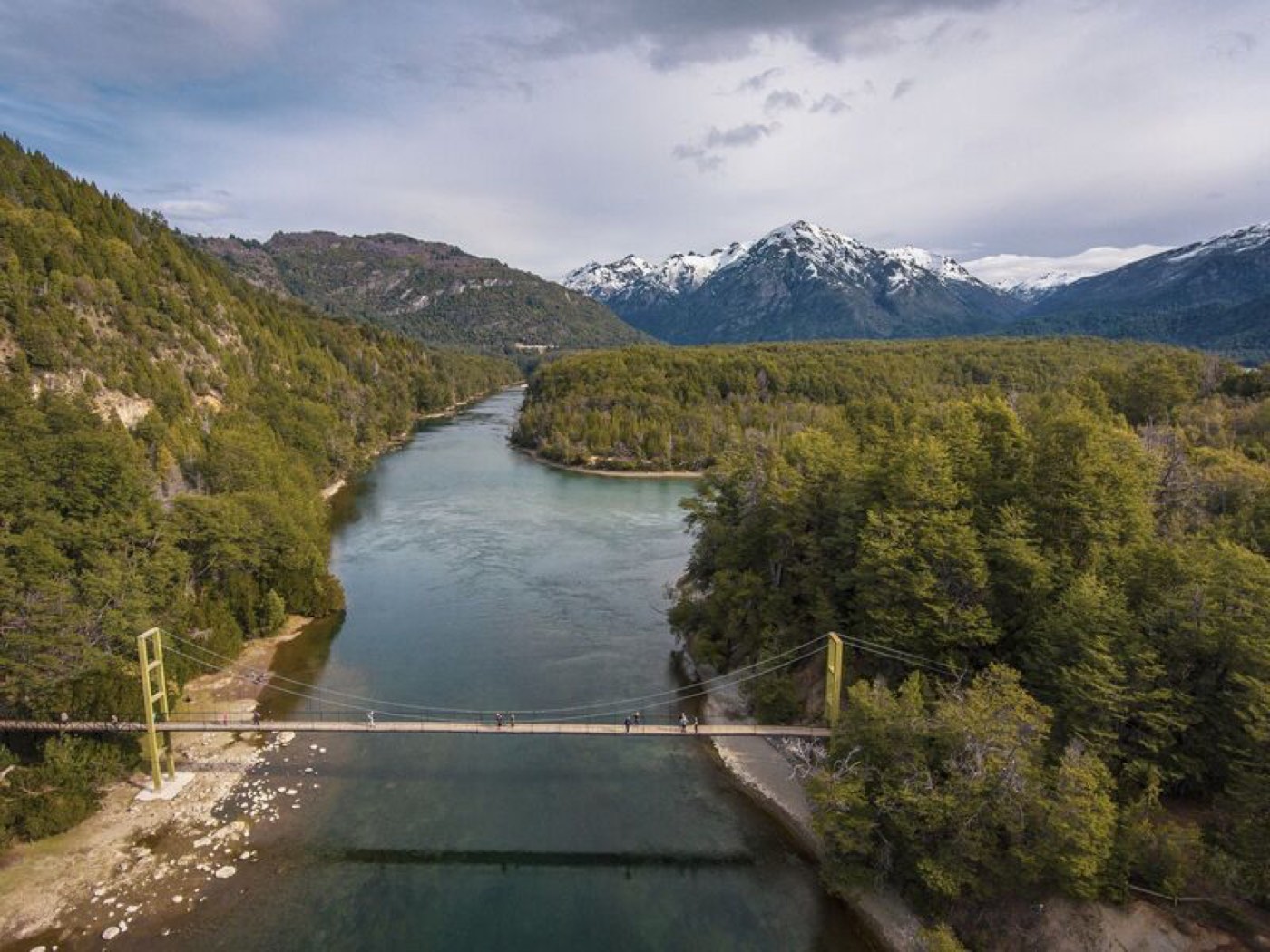
The classic way to meet El Abuelo is the lake crossing to the Alerzal Milenario, the "thousand-year alerce grove." A suspension footbridge carries you over the Río Arrayanes, and a short forest walk leads to Puerto Chucao on Lago Menéndez. From there the boat runs about an hour up the lake, with views of the glacier on Cerro Torrecillas, to Puerto Sagrario, where a trail of roughly two kilometers loops past Lago Cisne and the Río Cisne rapids to El Abuelo itself. Plan on five hours or more from the dock and back; tickets aren't sold at the dock, so the trip is booked ahead.
Elsewhere in the park, more than twenty marked trails range from a short stroll to the falls at Cascada Irigoyen to a rock shelter with Indigenous rock paintings near Villa Futalaufquen, and on to longer hikes with views across the lakes. The wildlife is shy but present: the pudú, one of the world's smallest deer; the rare, endangered huemul; and torrent ducks working the fast water.
Visiting the park is a full-day outing. Its north entrance is about 26 kilometers from Cholila, and foreign visitors pay an entrance fee. Trail and boat schedules shift with the season and with conditions: a lightning-sparked wildfire burned part of the park in the 2025–26 season before turning away from El Abuelo, and the park reopened in stages from February 2026, so check what's open with the lodge when you plan your day.
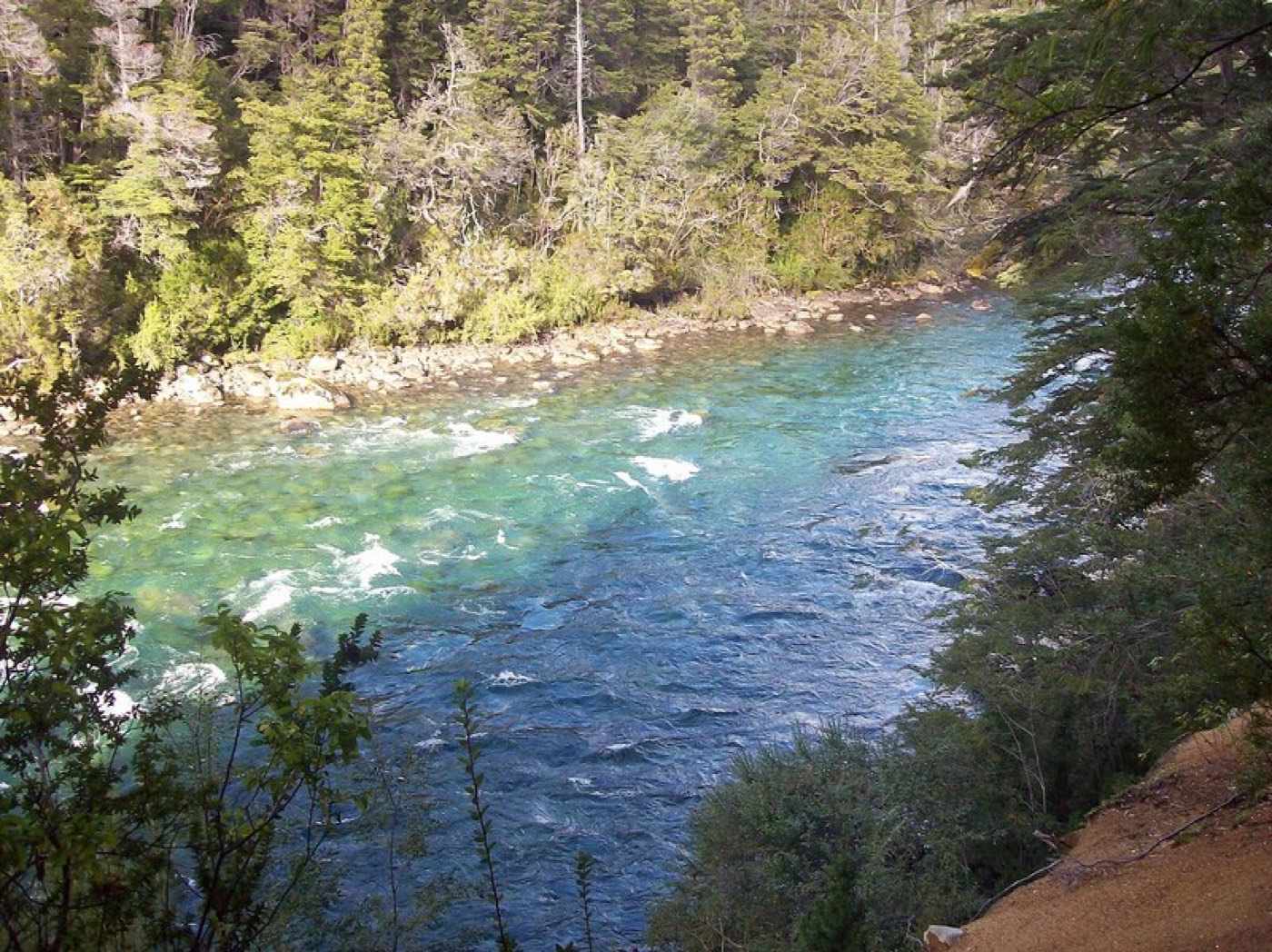
The park is familiar water for anglers, too. The Río Carrileufú drains Lago Cholila, the lake Cholila Lodge sits on, and flows into Lago Rivadavia at the head of the park's chain of lakes.
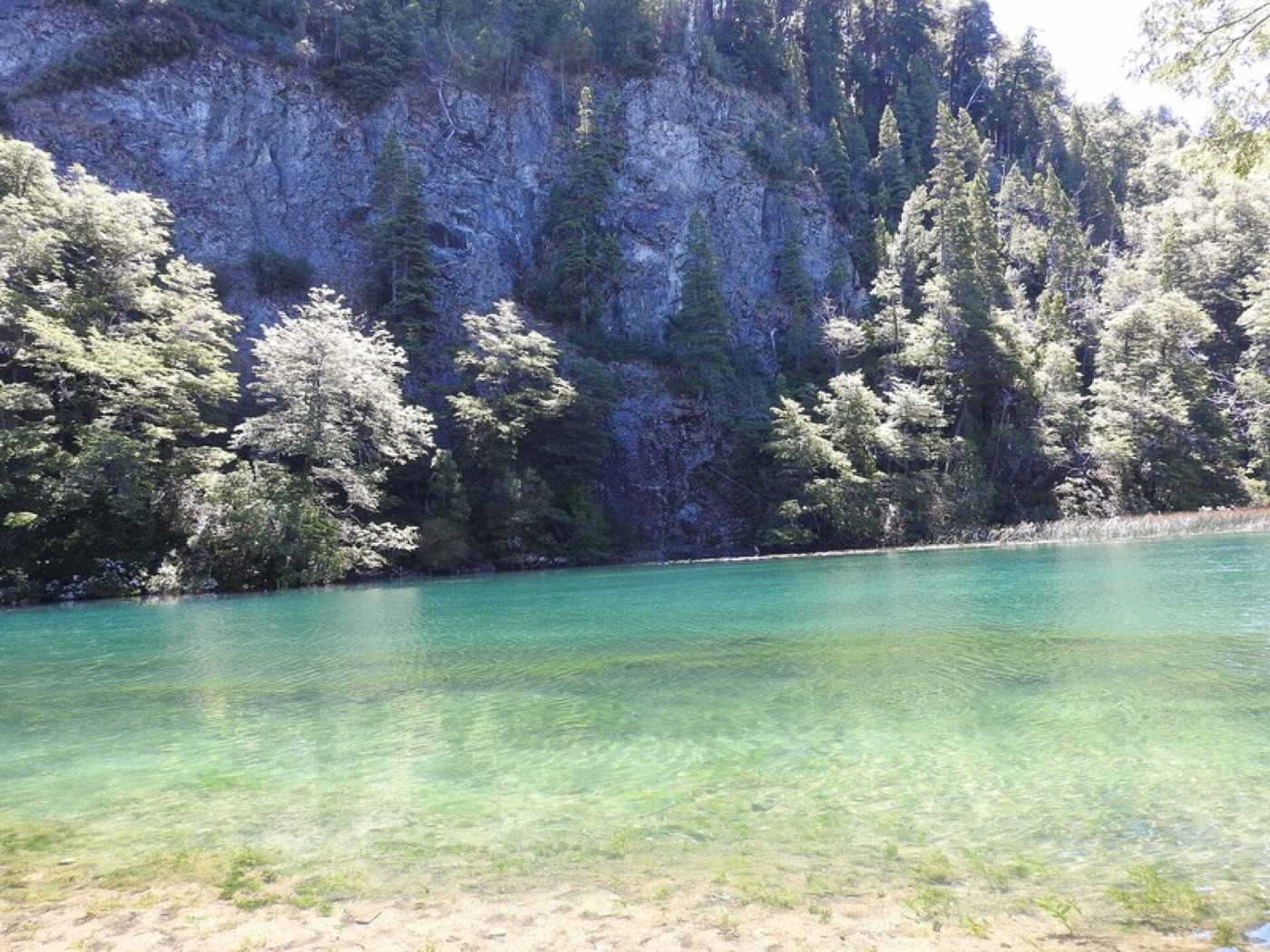
Several of the rivers and lakes our lodges fish lie inside the park: Rivadavia River, Arrayanes, Frey, Verde and Kruger Lakes, and Futalaufquen Lake.
More to Explore
More Nearby Experiences
Other excursions in the same corner of Chubut. For the full list, including horseback riding and boating, see Non-Angling Adventures.
Trevelin
Full-day excursion
A town built by Welsh settlers at the foot of the Andes: tea houses, historic flour mills, and the story of a horse named Malacara.
Butch Cassidy's Cabin
Under 4 hours
The log homestead outside Cholila where Butch Cassidy, the Sundance Kid, and Etta Place ranched under assumed names from 1901 to 1905.
La Trochita
Full-day excursion
The Old Patagonian Express: a narrow-gauge steam train still pulled by its original 1920s locomotives across the Patagonian steppe.
Mapuche Weavers
Half-day excursion
Watch Mapuche weavers at work on the traditional upright loom, turning hand-spun wool into ponchos, blankets, and rugs in patterns handed down through generations.
Begin Your Patagonia Story
Four lodges, one trip of a lifetime. Tell us your dates and we'll help you find the right water.